Alexander Tillegreen in the Kunsthalle Mannheim: See and hear art
Date and Time
Location
Price
About this Event
Mood
Venue Type
When art begins to sound: Alexander Tillegreen at the Kunsthalle Mannheim
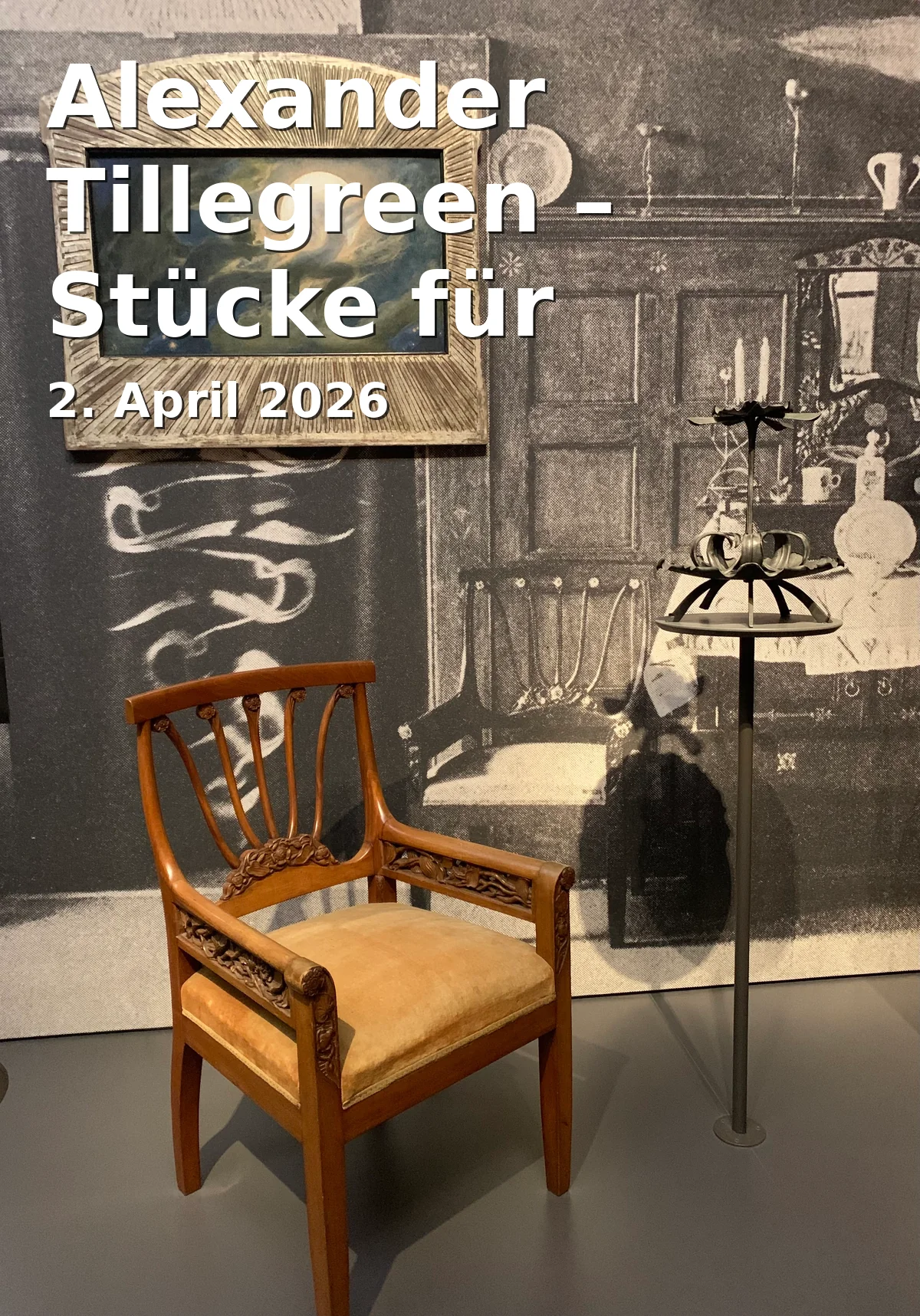
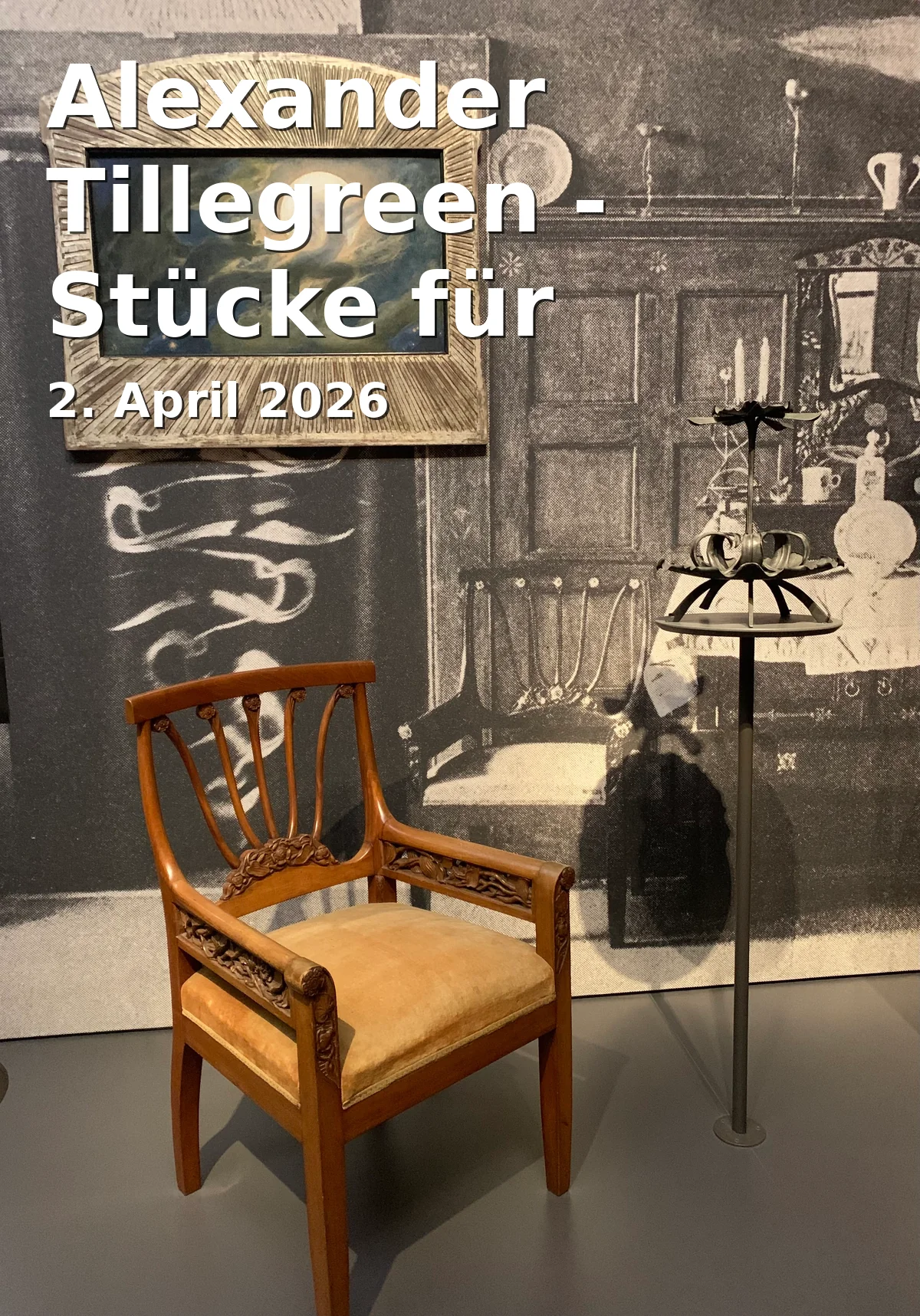
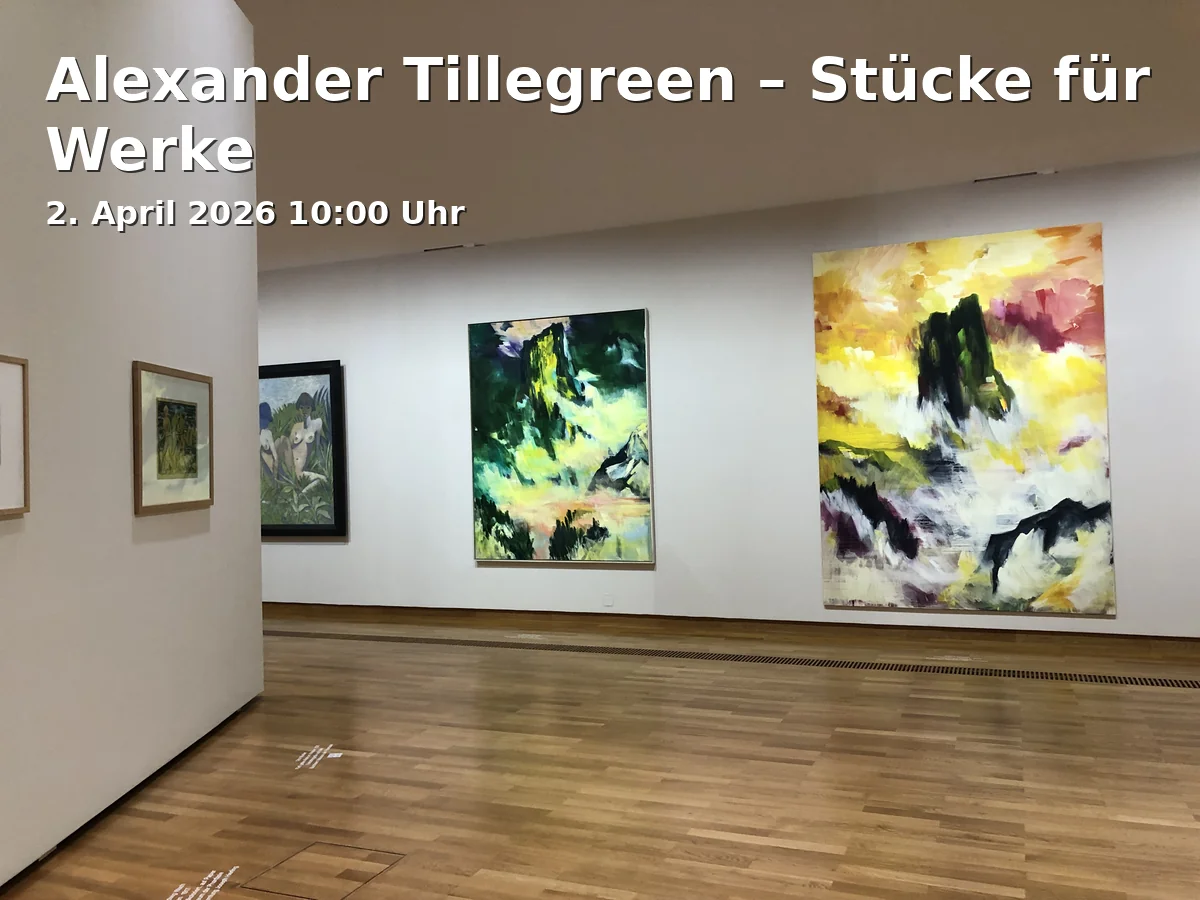
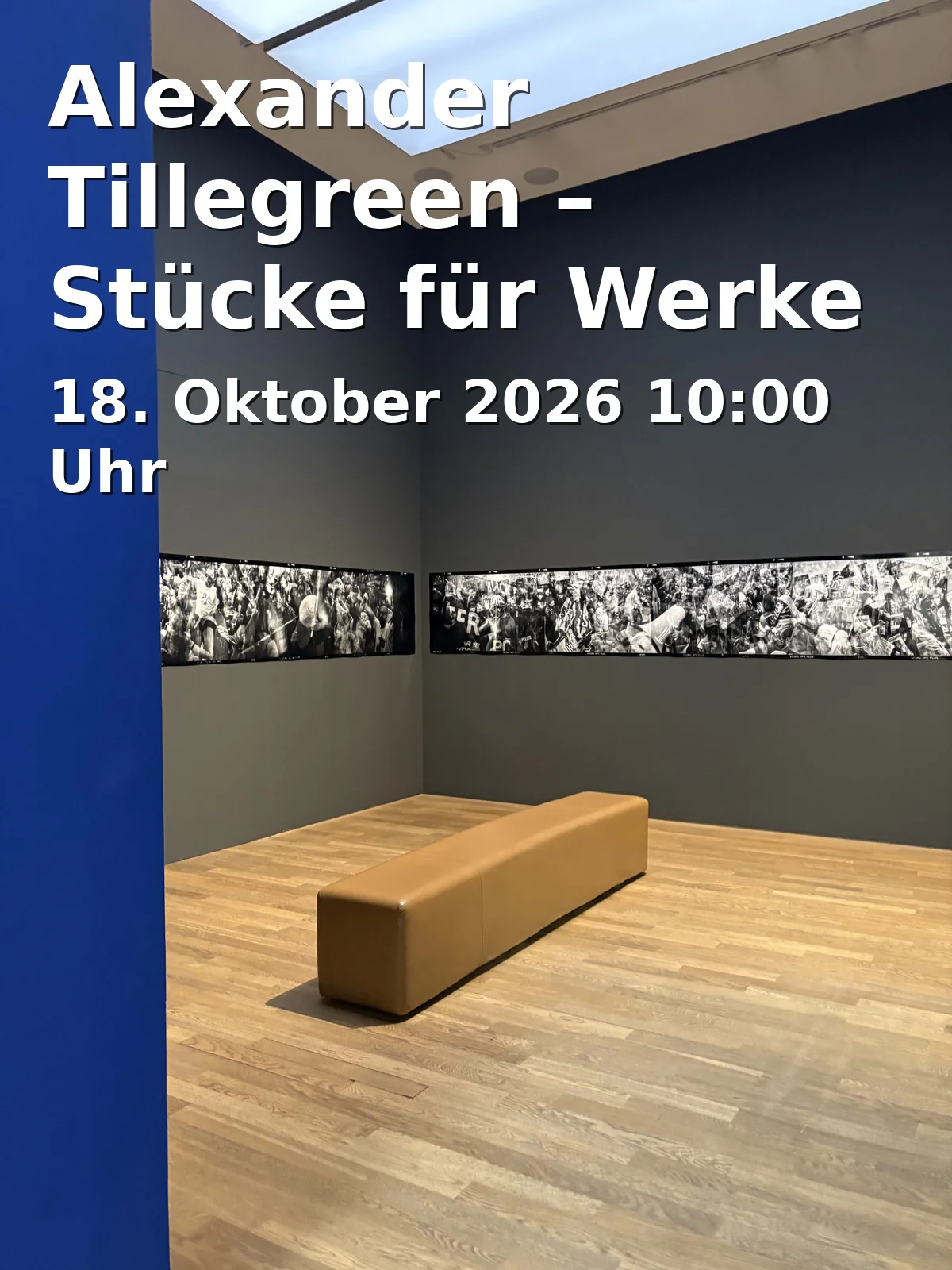
The exhibition Pieces for Works transforms the Kunsthalle Mannheim into a multifaceted resonance space. The Danish artist and composer Alexander Brix Tillegreen develops ten new, site-sensitive sound installations and musical works that enter into a direct dialogue with selected works from the collection. Visitors experience painting, sculpture, works on paper, architecture, and sound as interconnected fields of perception.
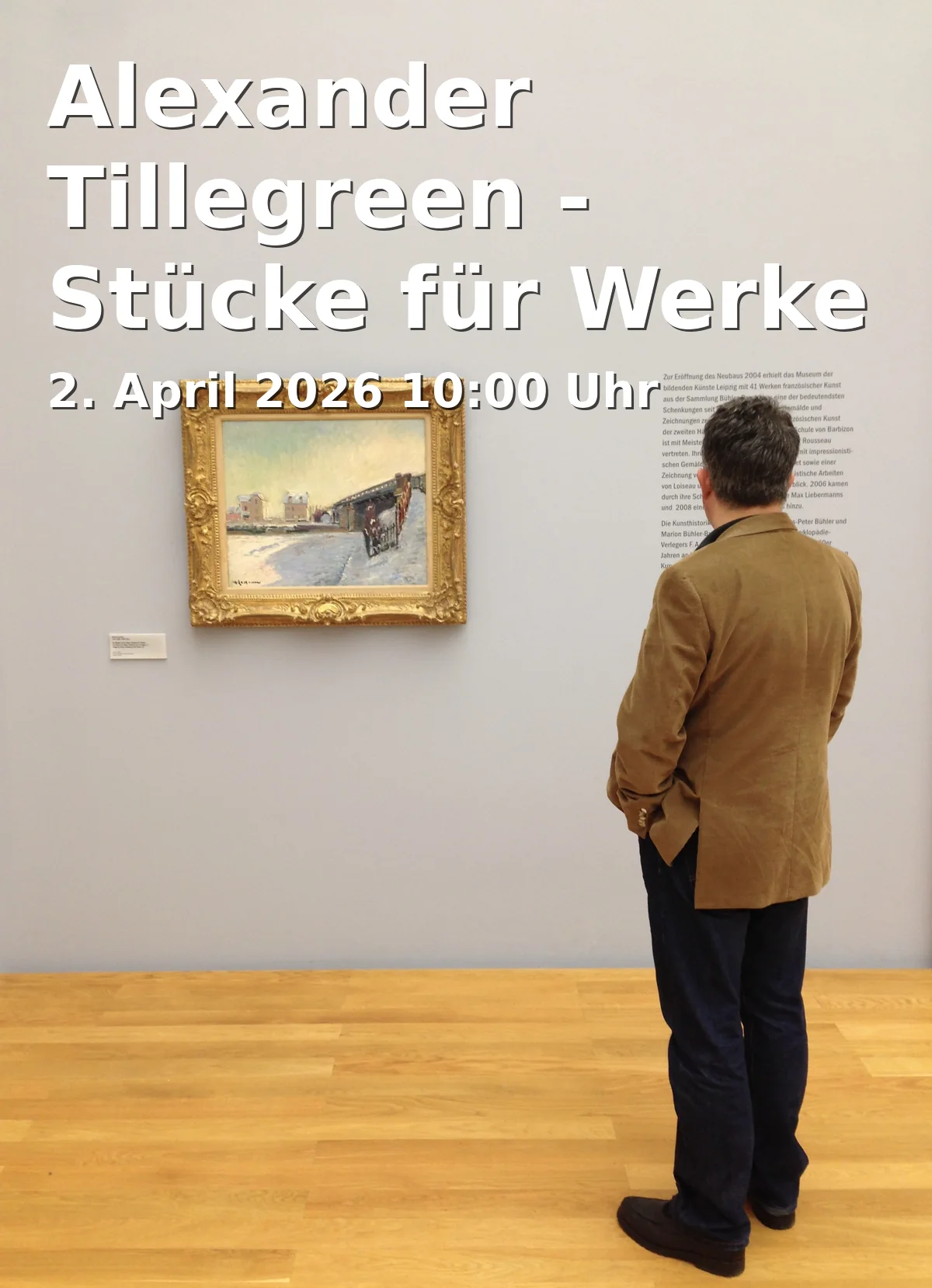
Art contemplation between image, space, and sound
Tillegreen's artistic practice moves between sound art, installation, composition, printmaking, light, and painting. In Mannheim, autonomous sound works are created that not only illustrate individual artworks but also open up new layers of meaning between hearing, seeing, and spatial movement. The exhibition makes the aesthetic experience an active process: the audience does not merely observe but listens, compares, and consciously perceives changes in their own perception.
Ten sound works for selected works from the collection
As compositional starting points, Tillegreen chose works by Auguste Rodin, Rosemarie Trockel, László Moholy-Nagy, Anna Mahler, Francis Bacon, Edvard Munch, Isa Genzken, Édouard Vuillard, and Louise Nevelson. A sculpture, a painting, or a drawing becomes an impulse for a new musical structure. Thus, different eras, materials, and artistic movements meet in an atmospheric curation that makes the museum space experienceable as a living fabric.
A sensual exhibition atmosphere
The sound installations respond to architecture, distances, and movements in space. Sounds can spread, condense, or flow like invisible lines between the exhibits. This connection is particularly impressive in the work related to Isa Genzken's sculpture Yamasaki, which Tillegreen relates to a vibraphone solo circling around the work. The sound movement recalls an architectural model and alters the view of form, volume, and spatial impact.
Listening to art historical contexts anew
Tillegreen connects contemporary sound art with central positions of modern and post-war art history. His selection ranges from Rodin's plastic language to Munch's expressive imagery to the open, material, and conceptual approaches of Moholy-Nagy, Bacon, Trockel, Genzken, and Nevelson. The exhibition invites visitors to view well-known works from an unusual perspective and to explore the relationships between visual abstraction, musical thinking, and bodily perception.
Cultural education through active listening
Pieces for Works opens a low-threshold access to contemporary art because the exhibition engages multiple senses. The contemplation of works becomes a listening exercise, and the sound installation prompts questions about memory, atmosphere, material, and meaning. Tillegreen investigates how language, voice, and psychoacoustic phenomena shape perception in his work. This creates an art experience that especially appeals to those who wish to experience art not only visually but also physically and spatially.
Conclusion: A museum as a resonance body
Alexander Tillegreen's Pieces for Works offers a rare connection of visual art, composition, and architecture. The exhibition broadens the perspective on the Kunsthalle Mannheim collection and makes audible how closely seeing, remembering, and feeling are interconnected. Art enthusiasts should definitely visit this extraordinary art experience live, as the spatial impact of the sound installations reveals itself fully only in the immediate aesthetic experience.
Official channels of Alexander Tillegreen:
- Instagram: no official profile found
- Facebook: no official profile found
- YouTube: no official profile found
- Website: https://www.alexandertillegreen.com/