
- Exhibitions & Museums
- Events for Kids
- Relaxed
- Inside
Experience Sunken History at the Museum of World Cultures: Archaeology at the Rhine and Neckar
- Date and Time
- 24. November 2026, 10:00
- Location
- Museum WeltkulturenMuseum Weltkulturen, D5 1, 68159 Mannheim-Quadrate, Deutschland
About this Event
Sunken History: A Journey to the Origins of Our Region
The Reiss-Engelhorn-Museums invite you to an impressive art experience between archaeology, cultural history, and dynamic knowledge transfer at the Museum of World Cultures. The exhibition Sunken History: Archaeology at the Rhine and Neckar spans from the Stone Age through the Bronze and Iron Ages, as well as Roman antiquity to the early Middle Ages.
Original Finds Tell of Past Worlds
Extraordinary archaeological original finds make visible how people lived, worked, believed, and traded along the Rhine and Neckar. The exhibition combines scientific expertise with a vivid curation: elaborate presentations, reconstructions, and interactive stations translate research into an immediately tangible aesthetic experience.
PeopleTime: Departure, Survival, and Encounter
In the PeopleTime section, visitors encounter early humans, a forest elephant, as well as traces of Homo heidelbergensis and Neanderthals. A naturalistically designed rocky landscape and the reconstruction of a meeting between Neanderthals and modern humans convey the living conditions about 30,000 years ago. Here, the contemplation of objects becomes a search for the beginnings of human history.
Innovation Metal: Technology Changes Society
The exhibition area Innovation Metal focuses on the technical developments of the Bronze and Iron Ages. Metalworking is seen not only as a craft advancement but as a cultural innovation that changed social structures, trade, and daily life along the Rhine and Neckar.
A Touch of Rome: Multicultural Life at the Rhine
A staged Roman road with gravestones and steles leads into the Roman era. The objects illustrate how Celts, Germans, Neckarsueben, and people from Roman provinces coexisted in a diverse society. Restored Roman stones and archaeological traces provide immediate access to the Roman-Mediterranean lifestyle between the 1st and 4th centuries.
Wild Peoples and the Early Middle Ages
The Wild Peoples section shows how trade goods and archaeological finds indicate a rich Roman heritage extending into the time of the Franks. The exhibition makes cultural interconnections visible and presents history not as a rigid sequence but as a dynamic process of migration, exchange, and transformation.
Experience Archaeology with All Senses
Eleven inclusive stations invite touching and discovering. Visitors can explore the fur of Pleistocene animals, deity representations on a Roman stone, the uniform of a Roman legionnaire, and medieval women's fashion. Braille and profile script, videos with sign language, audio recordings, and subtitles, as well as offers in easy language enhance accessibility. A museum app provides additional tours in audio description, sign language, and easy language.
Cultural Education for Families and School Classes
The exhibition is suitable for preschool children, primary schools, secondary schools, and inclusion groups. Guided tours and workshops cover topics such as the Stone Age, Neolithic Revolution, Romans in the region, and the early Middle Ages. Additionally, puzzle books and digital offers are available for children, which playfully deepen the exhibition knowledge.
Conclusion: History Becomes Physically Tangible in the Museum
Sunken History combines scientifically grounded archaeology with a sensory exhibition atmosphere, vivid scenography, and museum education. Those wanting to experience the development of the Rhine-Neckar region not just by reading but through original finds, spatial impact, and interactive stations will find a cultural enrichment for the whole family here. A visit to the Museum of World Cultures opens new perspectives on the past and makes historical connections fully tangible.
Official Channels of Reiss-Engelhorn-Museums:
- Instagram: no official profile found
- Facebook: no official profile found
- YouTube: no official profile found
- Website: no official profile found
Sources:
Frequently Asked Questions
Ähnliche Veranstaltungen
 16,00 €
2. Apr. 20262. April 2026
Alexander Tillegreen – Pieces for Works
Ausstellungen
 14,00 €
2. Apr. 20262. April 2026
Alexander Tillegreen - Pieces for Works
Ausstellungen
 16,00 €
2. Apr. 2026 10:002. April 2026 10:00
Alexander Tillegreen – Pieces for Works
Ausstellungen
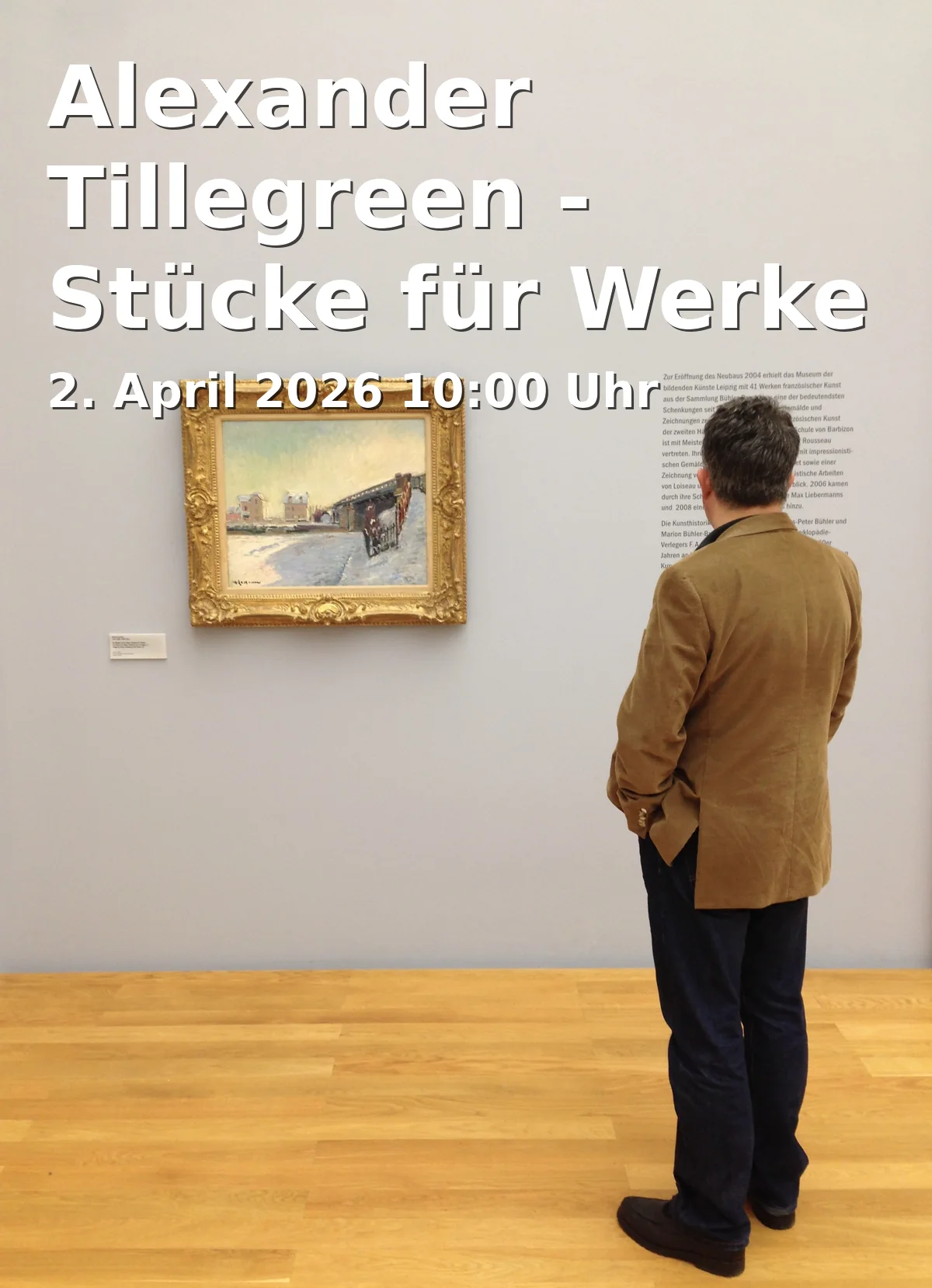 16,00 €
2. Apr. 2026 10:002. April 2026 10:00
Alexander Tillegreen - Pieces for Works
Ausstellungen
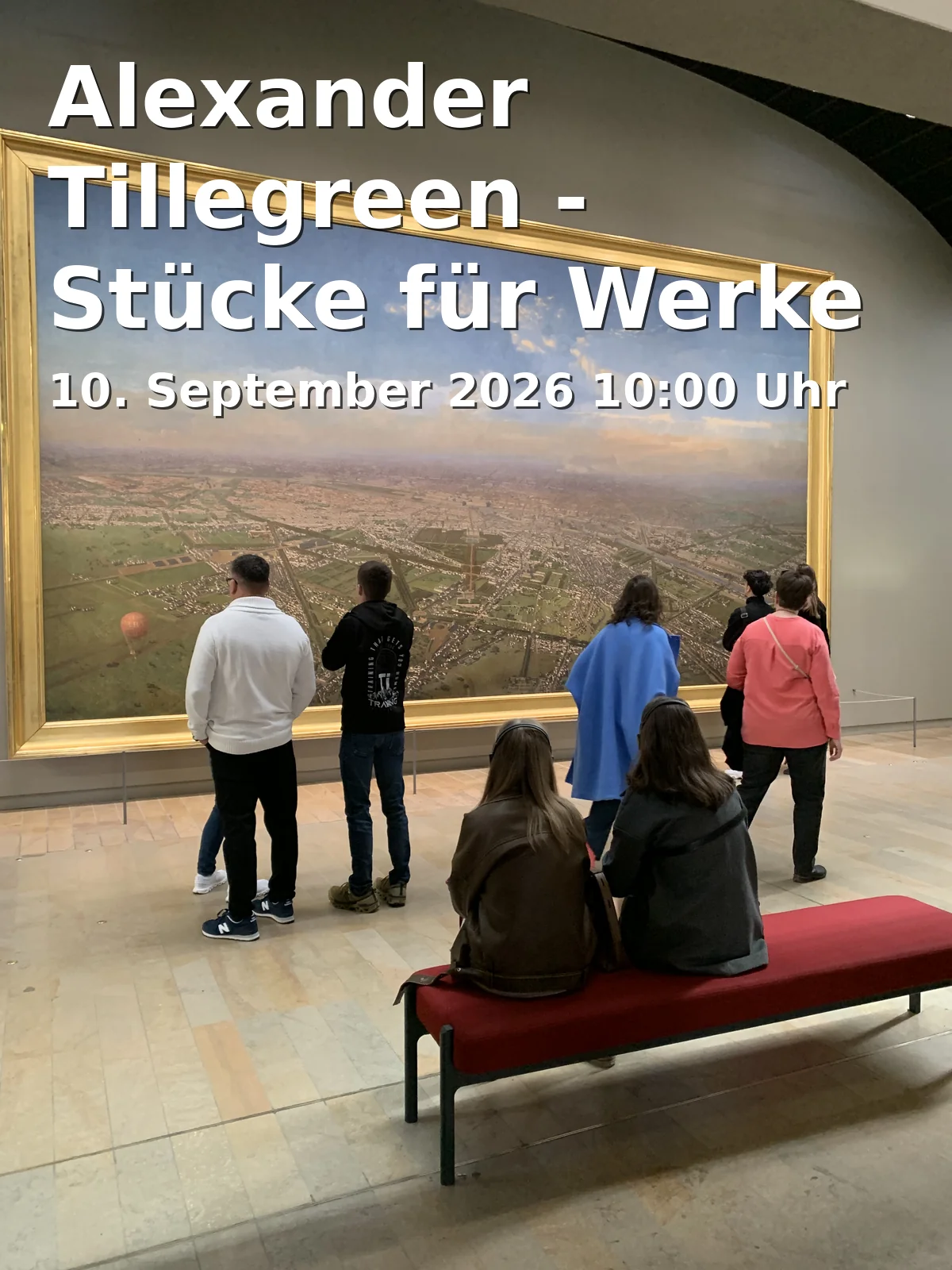 16,00 €
10. Sep. 2026 10:0010. September 2026 10:00
Alexander Tillegreen - Pieces for Works
Ausstellungen
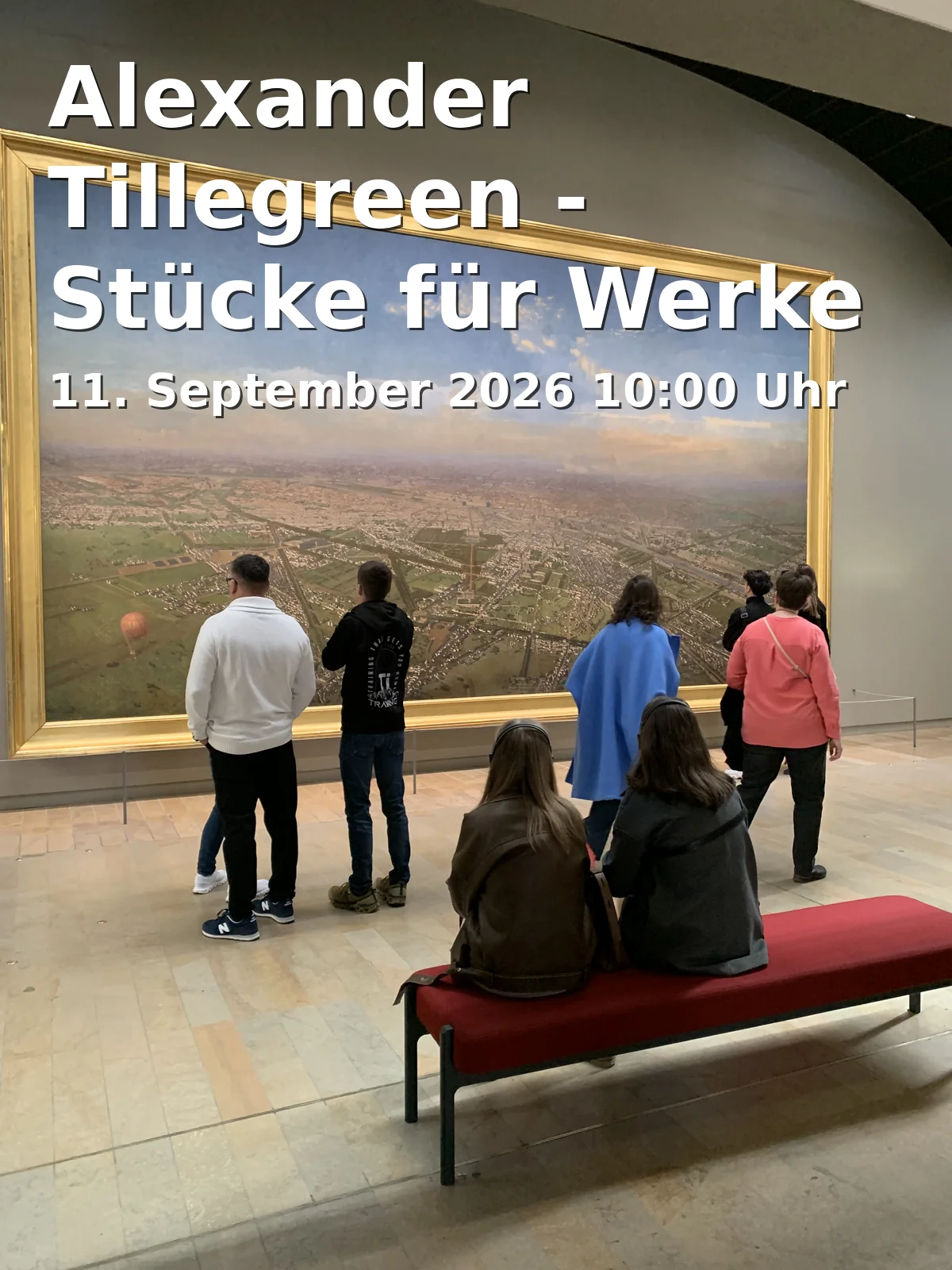 16,00 €
11. Sep. 2026 10:0011. September 2026 10:00
Alexander Tillegreen - Pieces for Works
Ausstellungen
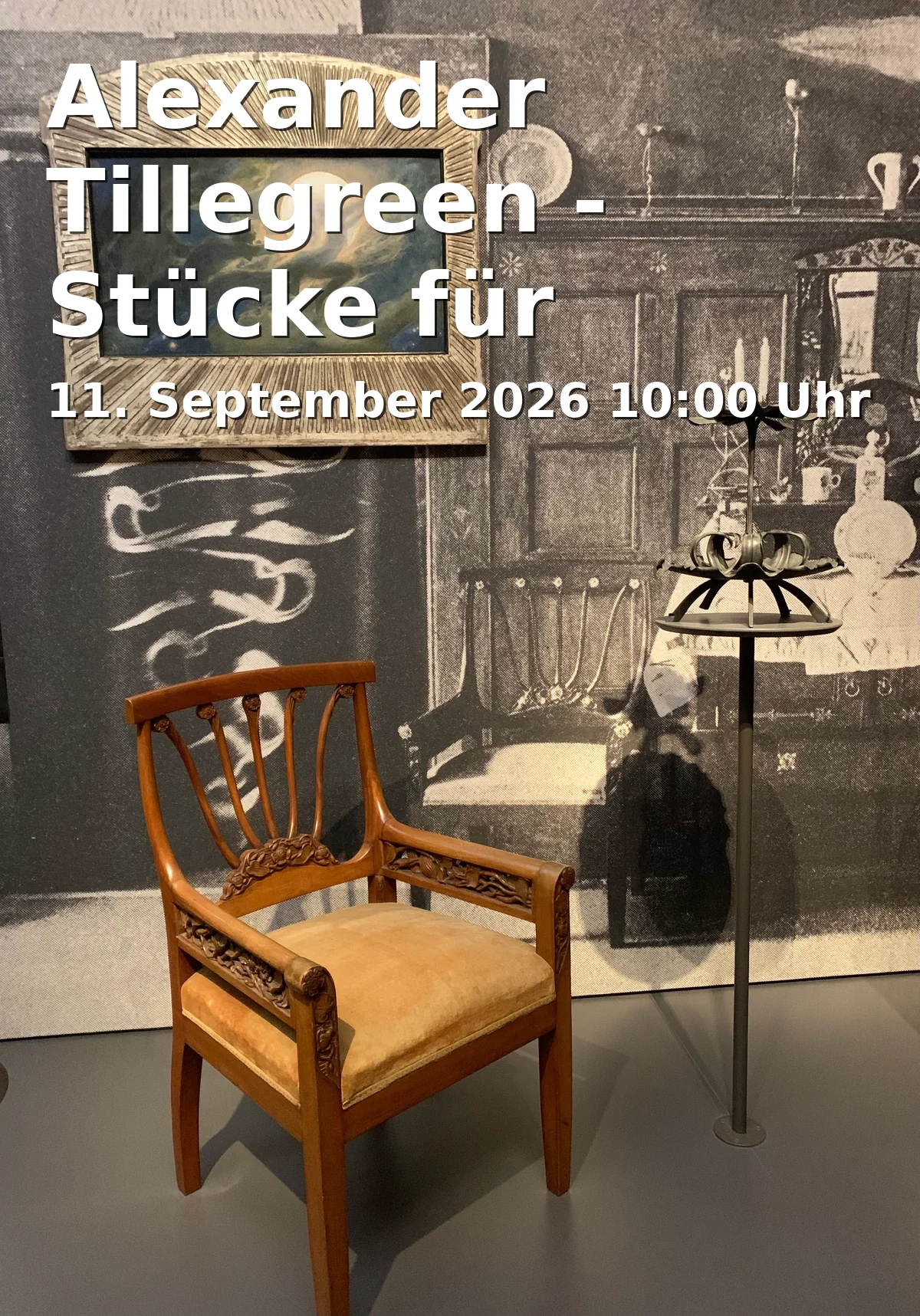 16,00 €
11. Sep. 2026 10:0011. September 2026 10:00
Alexander Tillegreen - Pieces for Works
Ausstellungen
 12,00 €
16. Sep. 2026 09:0016. September 2026 09:00
CRIME – The Technique of Crime
Ausstellungen
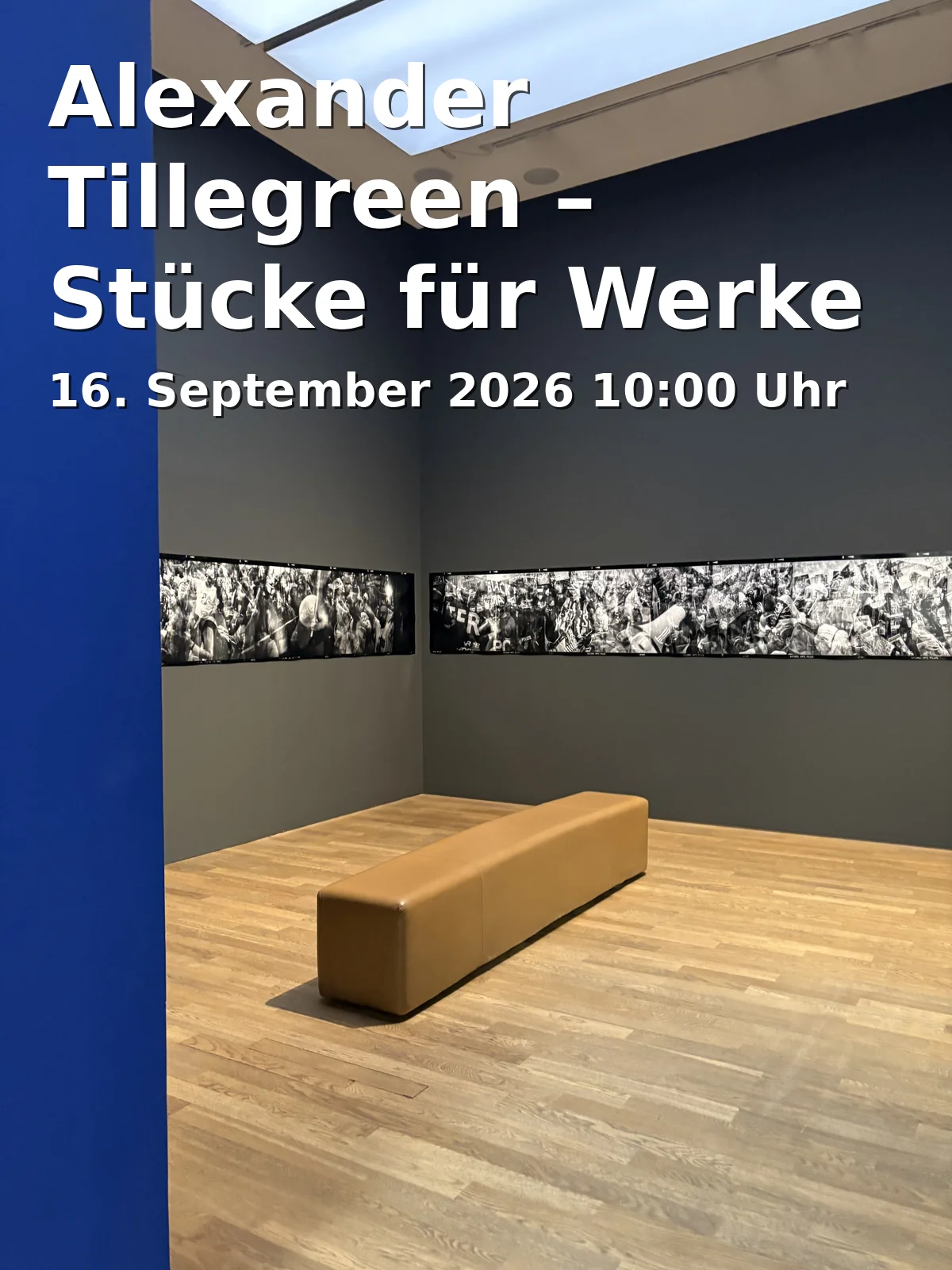 16,00 €
16. Sep. 2026 10:0016. September 2026 10:00
Alexander Tillegreen – Pieces for Works
Ausstellungen
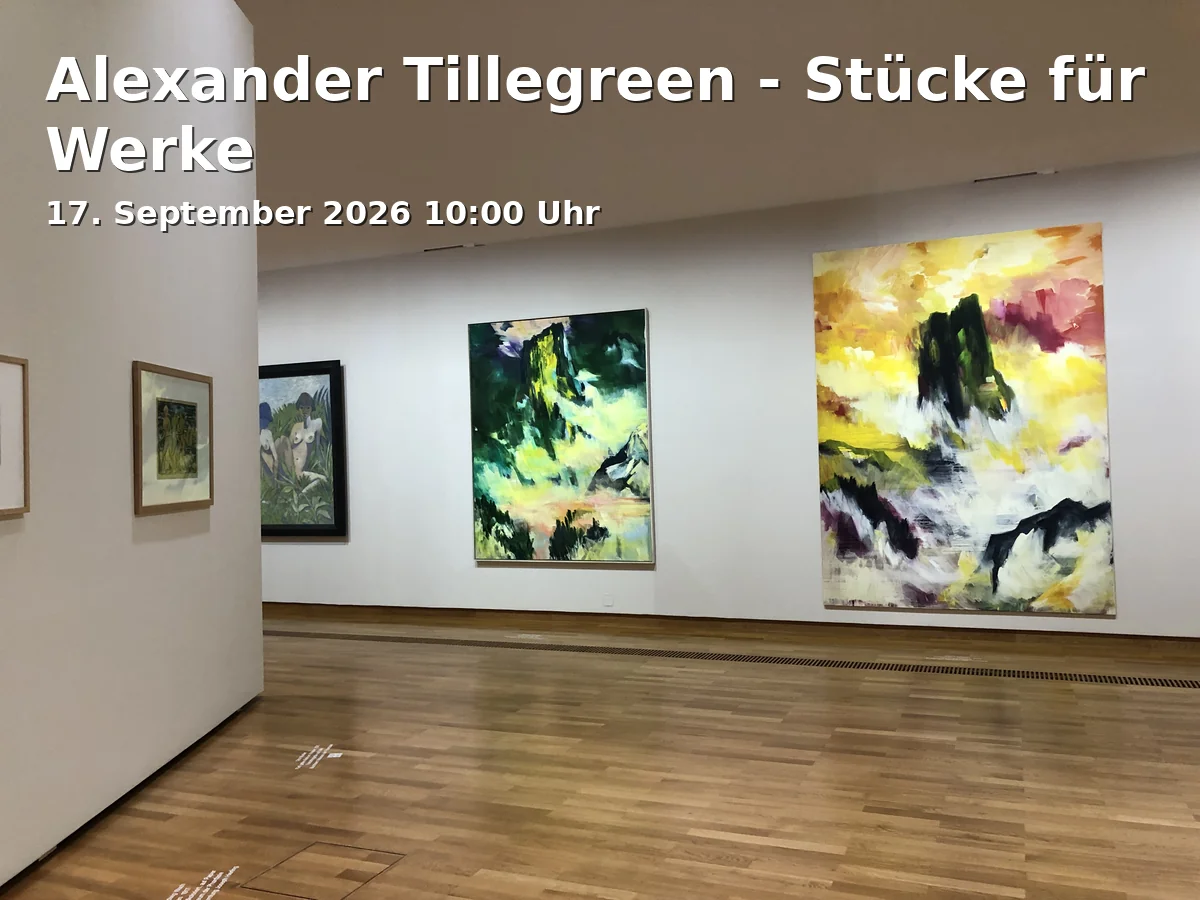 16,00 €
17. Sep. 2026 10:0017. September 2026 10:00
Alexander Tillegreen - Pieces for Works
Ausstellungen