
- Exhibitions & Museums
- Relaxed
- Inside
Experience Sunken History at the Museum of World Cultures: Archaeology at the Rhine and Neckar
- Date and Time
- 27. November 2026, 10:00
- Location
- Museum WeltkulturenMuseum Weltkulturen, D5 1, 68159 Mannheim-Quadrate, Deutschland
- Price
- 9,00 €
About this Event
Sunken History: Archaeology Comes to Life in Mannheim
The Reiss-Engelhorn Museums invite you to an impressive journey through the cultural history of the region at the Museum of World Cultures. The exhibition Sunken History. Archaeology at the Rhine and Neckar spans from the Stone Age through the Bronze and Iron Ages as well as the Roman period to the early Middle Ages. Extraordinary original finds, elaborate presentations, and interactive stations make the past lives immediately tangible.
Traces of Early Humanity and Social Change
In the exhibition area HumanTime, visitors encounter the beginnings of human culture. Tools, materials, and archaeological evidence tell stories of adaptation, ingenuity, and the Neolithic revolution. The examination of artifacts focuses on those details that reflect daily life, nutrition, work, and social order of past communities.
Innovation Metal: Material as the Engine of History
The section Innovation Metal is dedicated to the technological upheavals of the Bronze and Iron Ages. Metal appears here not only as a material but as an expression of knowledge, trade, and social change. Shapes, surfaces, and traces of processing convey a sensory aesthetics of the material and simultaneously open a scientifically grounded approach to experimental archaeology.
A Hint of Rome at the Rhine and Neckar
With A Hint of Rome, the Roman period takes center stage. The presentation shows how Roman lifestyles, technological innovations, and cultural contacts impacted the region. Original finds vividly illustrate provincial history and point to mobility, exchange, and the numerous connections within the Roman Empire.
Wild Peoples and the Transition to the Early Middle Ages
The section Wild Peoples leads into the time of the Franks and the early Middle Ages. Archaeological excavations bring to light a sunken history where cultural continuities and new ways of life overlap. The curation combines scientific precision with an atmospheric exhibition design that conveys historical processes as a vivid narrative.
Cultural Education and Interactive Mediation
The exhibition understands archaeology as an active art experience and an invitation for personal discovery. Interactive stations, digital offerings, podcasts, and educational formats complement the presentation. Age-appropriate guided tours and workshops on topics like the Stone Age, Roman antiquity, and early Middle Ages are available for school classes, preschool children, and inclusion groups. A guide in plain language and accessibility-oriented offerings broaden access.
Conclusion: An Aesthetic Experience Beneath the Surface
Sunken History connects archaeology, cultural history, and a sensory exhibition experience. Between original finds, spatial effects, and interactive mediation, an artistic experience emerges that makes the past of the Rhine-Neckar region tangible. Those who wish to understand how people lived, thought, and shaped their environment will experience an inspiring examination of history at the Museum of World Cultures. A visit enriches cultural education and opens new perspectives on the present.
Official Channels of Reiss-Engelhorn Museums:
- Instagram: no official profile found
- Facebook: no official profile found
- YouTube: no official profile found
- Website: no official profile found
Sources:
Frequently Asked Questions
Ähnliche Veranstaltungen
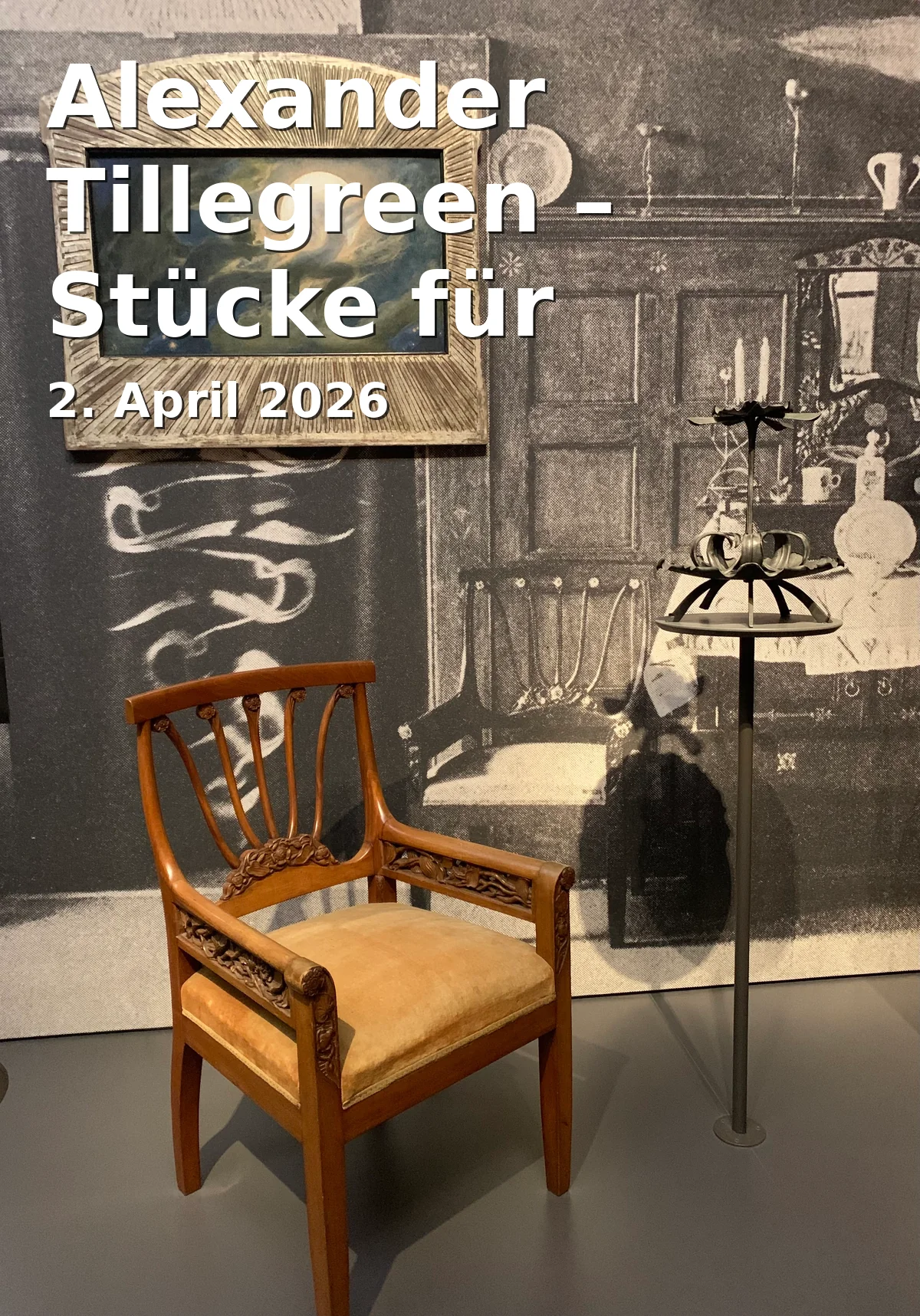 16,00 €
2. Apr. 20262. April 2026
Alexander Tillegreen – Pieces for Works
Ausstellungen
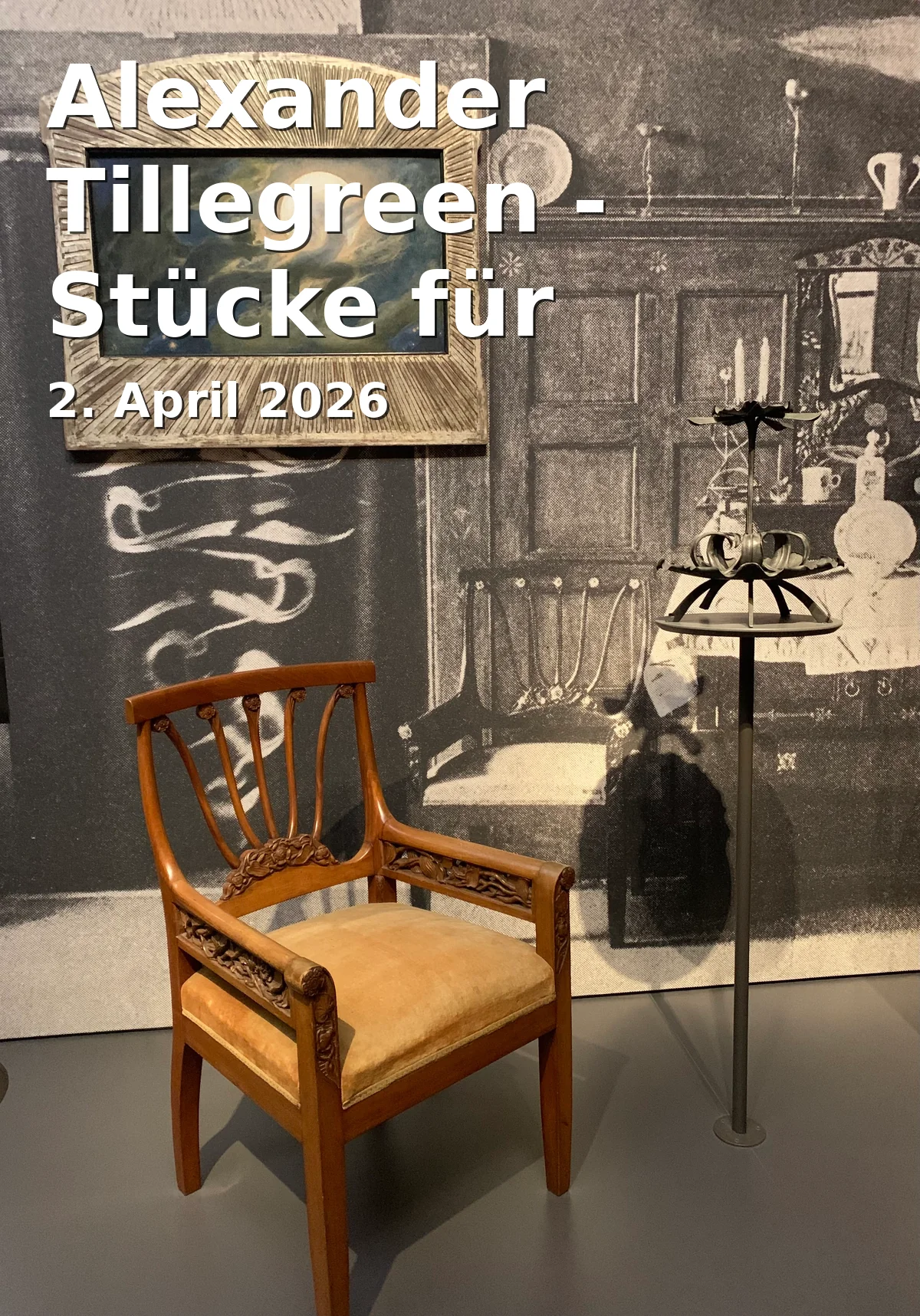 14,00 €
2. Apr. 20262. April 2026
Alexander Tillegreen - Pieces for Works
Ausstellungen
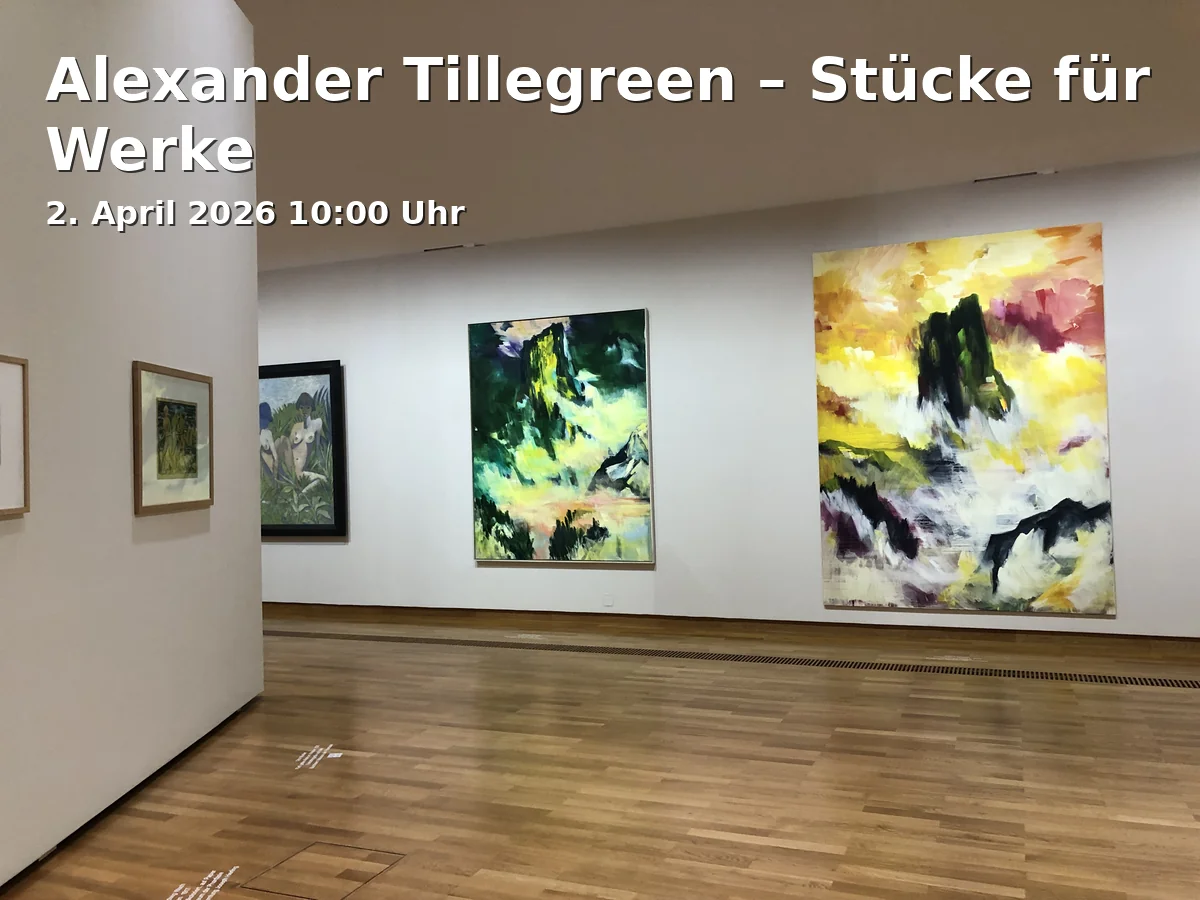 16,00 €
2. Apr. 2026 10:002. April 2026 10:00
Alexander Tillegreen – Pieces for Works
Ausstellungen
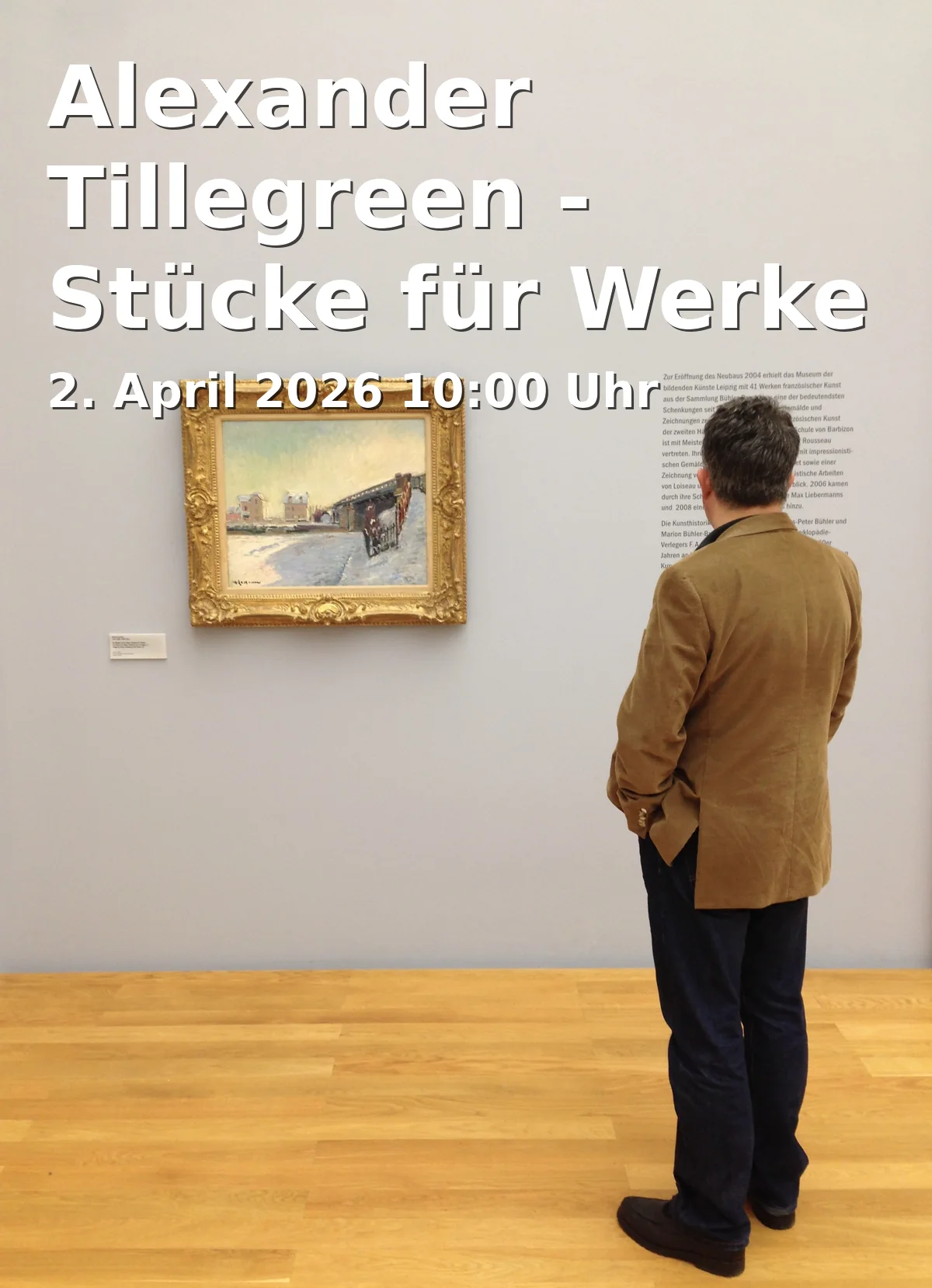 16,00 €
2. Apr. 2026 10:002. April 2026 10:00
Alexander Tillegreen - Pieces for Works
Ausstellungen
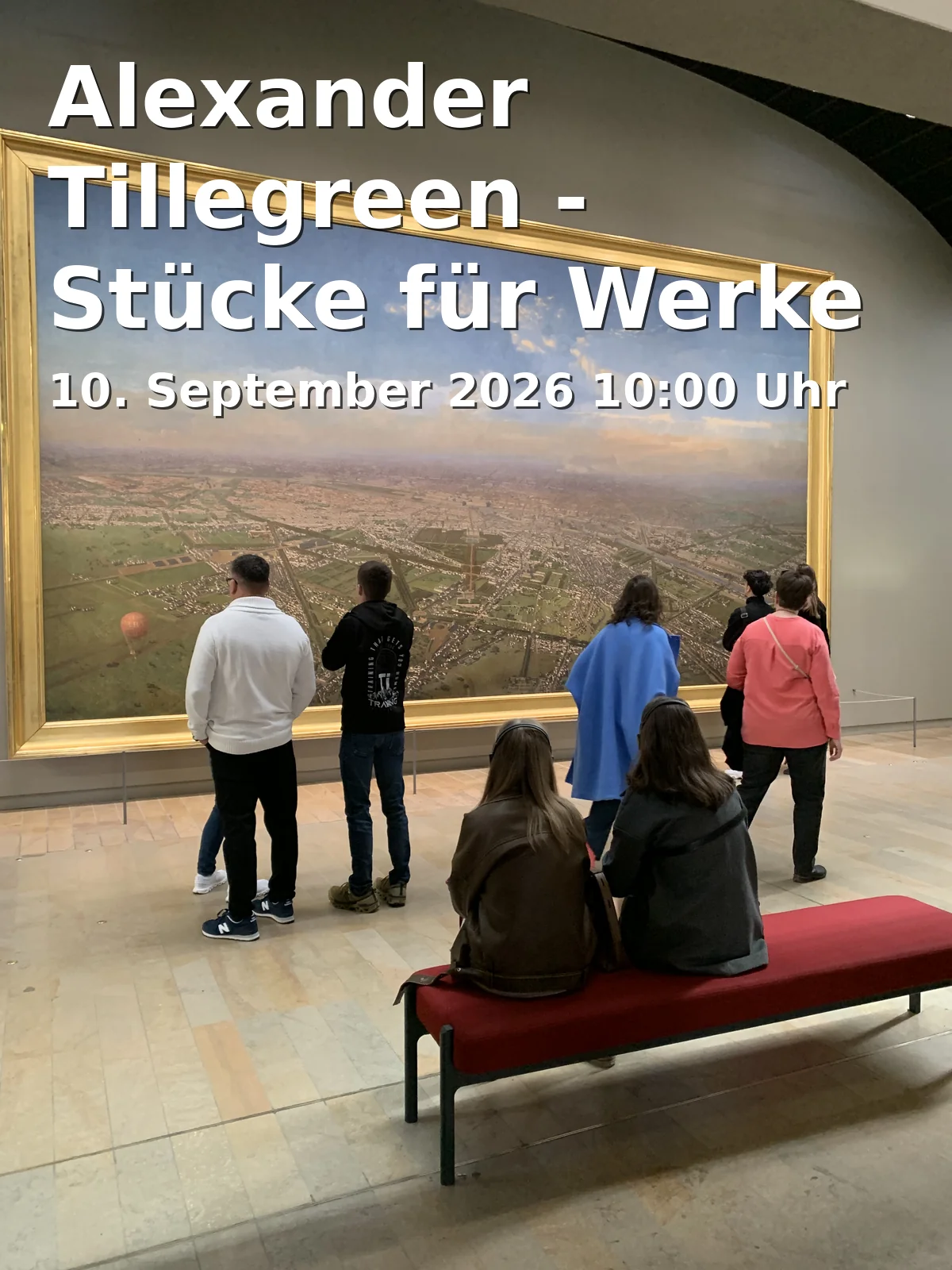 16,00 €
10. Sep. 2026 10:0010. September 2026 10:00
Alexander Tillegreen - Pieces for Works
Ausstellungen
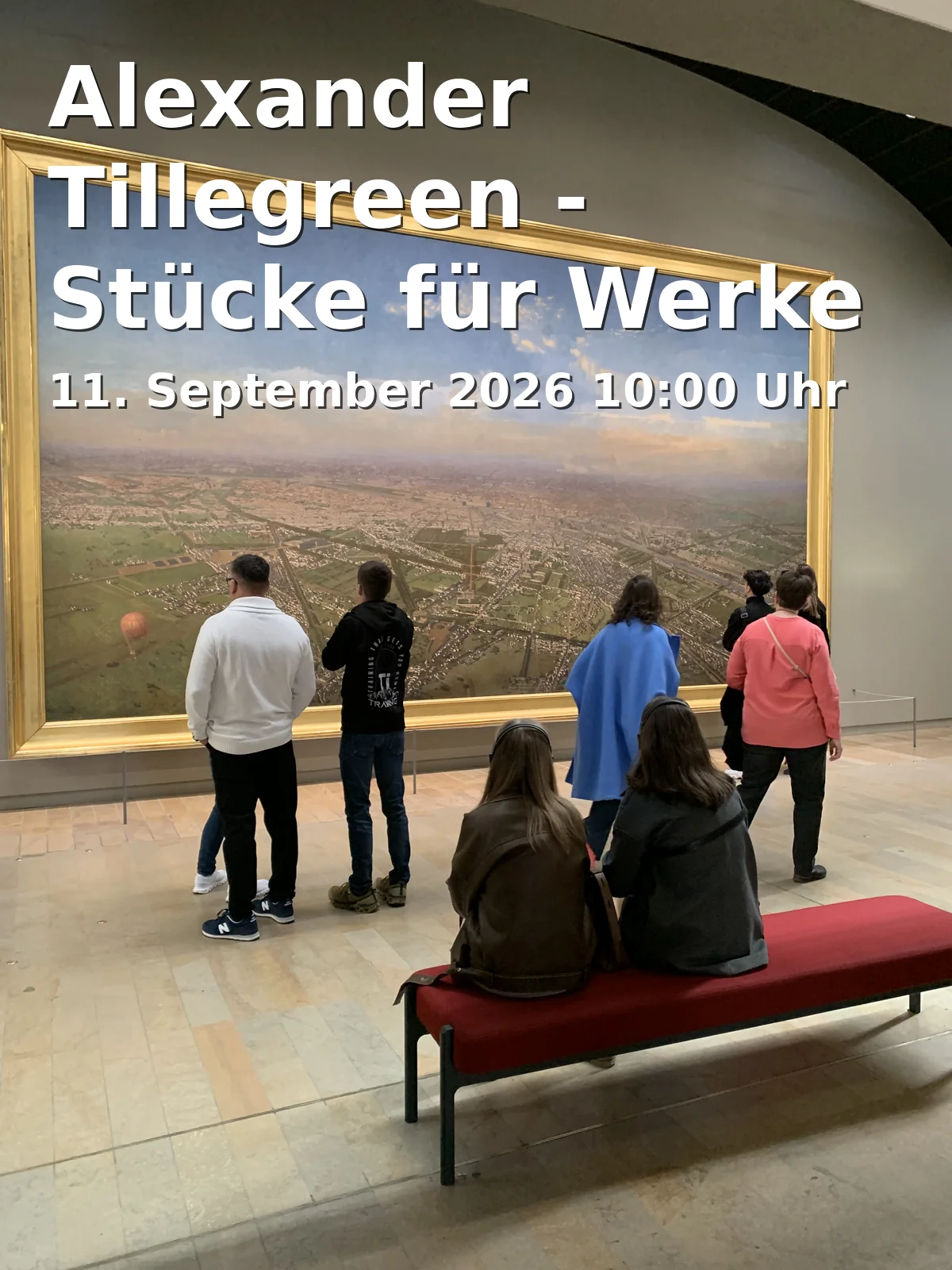 16,00 €
11. Sep. 2026 10:0011. September 2026 10:00
Alexander Tillegreen - Pieces for Works
Ausstellungen
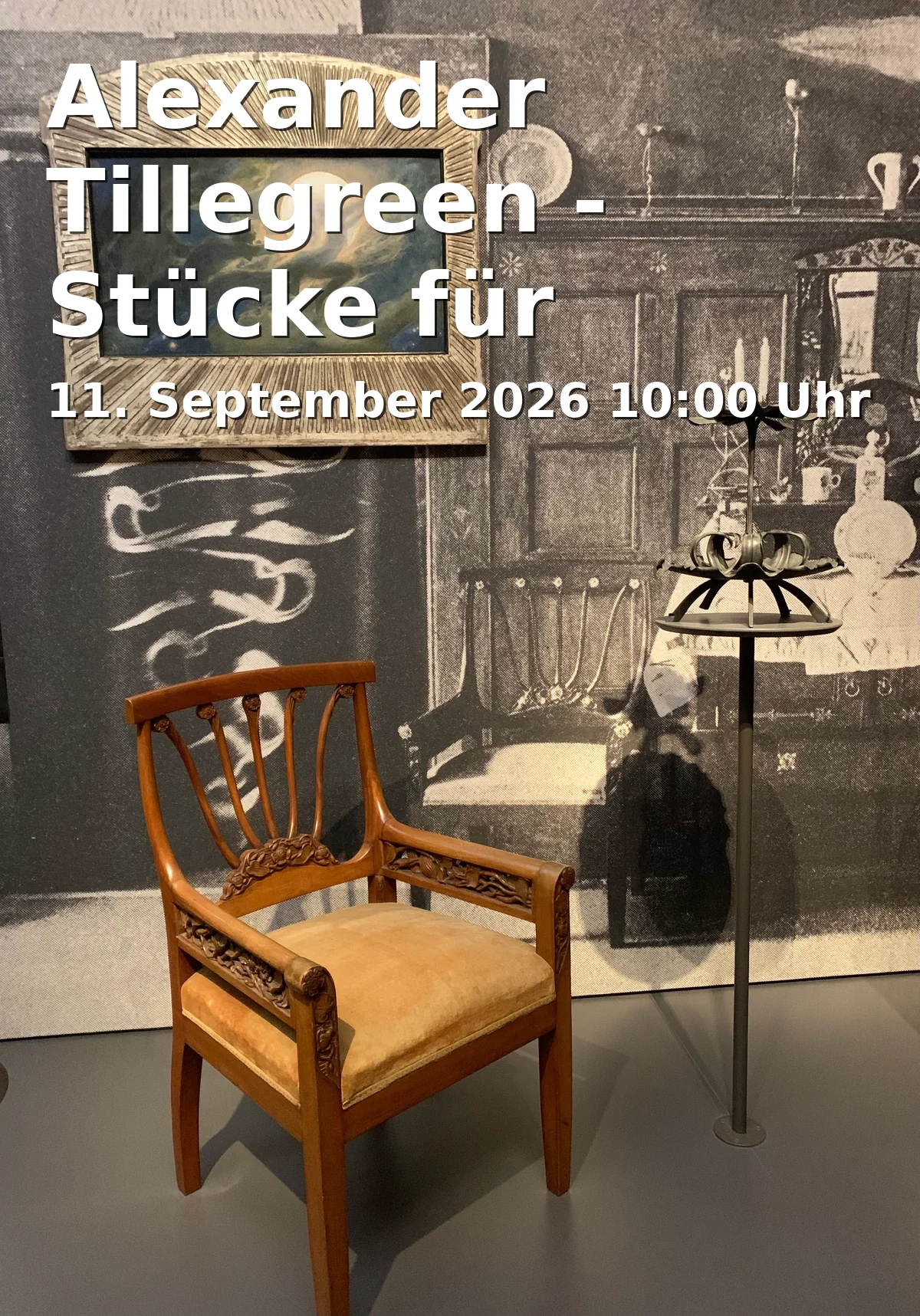 16,00 €
11. Sep. 2026 10:0011. September 2026 10:00
Alexander Tillegreen - Pieces for Works
Ausstellungen
 12,00 €
16. Sep. 2026 09:0016. September 2026 09:00
CRIME – The Technique of Crime
Ausstellungen
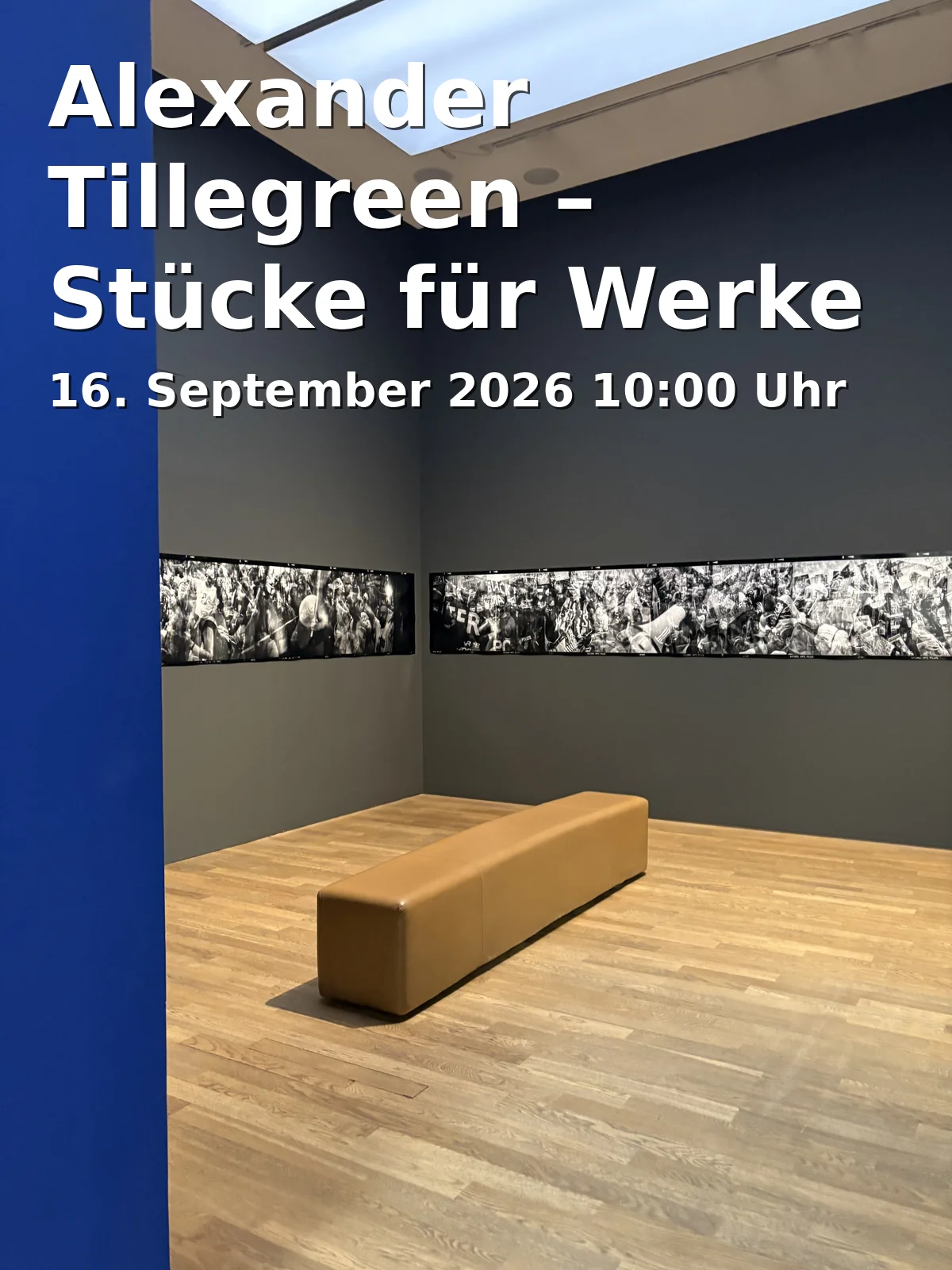 16,00 €
16. Sep. 2026 10:0016. September 2026 10:00
Alexander Tillegreen – Pieces for Works
Ausstellungen
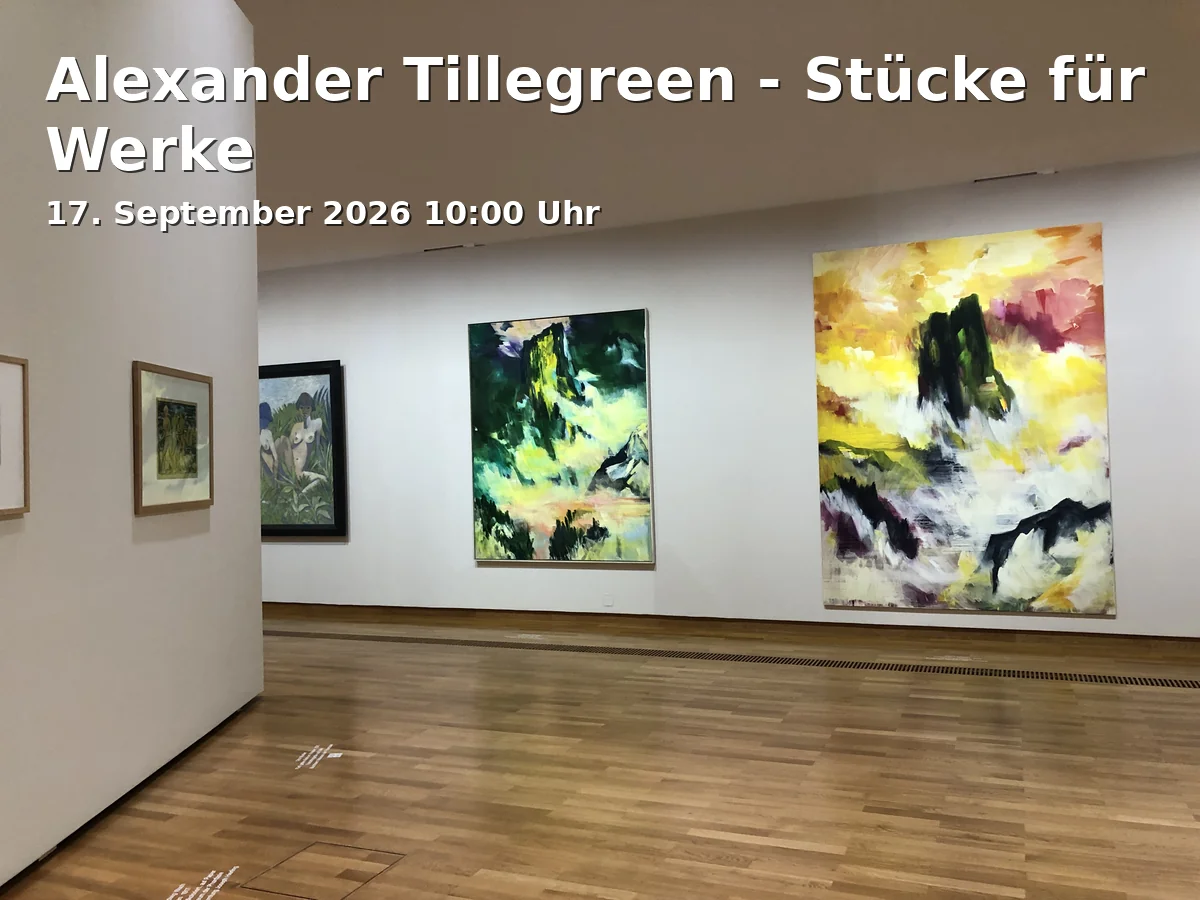 16,00 €
17. Sep. 2026 10:0017. September 2026 10:00
Alexander Tillegreen - Pieces for Works
Ausstellungen